


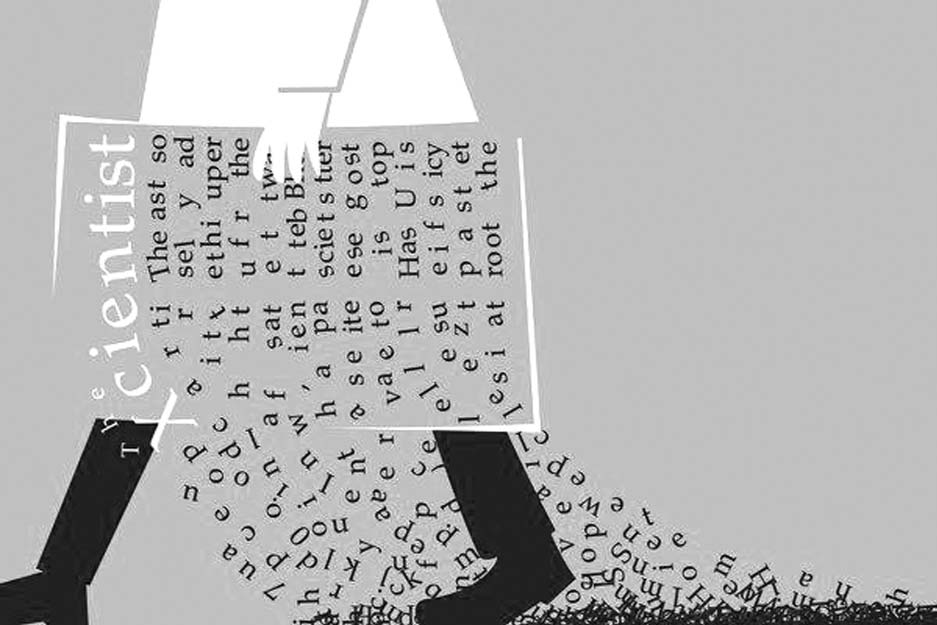
[box type=”shadow” align=”” class=”” width=””]
Source: Alokito Bangladesh

Author: Dr. Muhammad Mahfuzul Haque Ripon
Published with the author’s permission.[/box]
The primary role of professors or academics at universities is to conduct research, generate new knowledge, publish their findings, and teach students. Through university research, not only are advanced degrees awarded, but various social problems are addressed and public service is provided to the nation. Academic papers or journal articles are the most effective means of publishing research results and establishing communication among scientists worldwide. Before the advent of the internet, academics collected journal articles from libraries. In recent decades, commercial publishers (such as Elsevier, Wiley, Springer, etc.) have raised journal prices so high that academic institutions and libraries have reduced their journal purchases. As a result, access to knowledge-rich journal articles for academics and researchers around the world has become increasingly limited. Against this backdrop, a new trend of internet-based open access journals has emerged in the past decade, aiming to increase access to scientific journals. Anyone can access open access journals from anywhere in the world. The main characteristics of these journals are that they are easily searchable and printable via public internet searches. There are no financial, legal, or technical barriers to access. A study has shown that open access journals are read and cited 25 to 250 percent more than closed access journals. Whether a journal is open or closed, there are internationally recognized qualitative distinctions among journals. The first type (ISI) is indexed under Thomson Reuters and is considered the most prestigious. The second type is indexed under Scopus and is published through a rigorous peer-review process, making it highly reputable. The third type of journal also undergoes quality peer review but is not indexed in Scopus. These journals maintain a reasonable standard, and their editorial boards continually work to meet the requirements for inclusion in Scopus.
Subscribe to receive more updates on science and technology.
[mc4wp_form id=”3448″]









Leave a comment