



Imagine waking up one morning to the news that a quantum computer has overnight broken all modern encryption. Chaos is spreading like wildfire, as banks, governments, and corporations scramble to protect their data. The stock market is crashing – share prices of giants like Apple (AAPL), Amazon (AMZN), Nvidia (NVDA), and JPMorgan Chase (JPM) are plummeting due to security breaches and shaken investor confidence. High-frequency trading systems are being hacked, bank accounts are drained, and encrypted financial documents are being exposed. The entire global economy teeters on the brink of collapse, as everyone desperately tries to contain the damage.
This terrifying scenario is, for now, only a theoretical fear, but it’s keeping cybersecurity experts up at night. Q-Day, the day quantum computers will be able to break current encryption, is looming ever closer, yet the world remains unprepared. In 2023, Thilo Kunz, a specialist at the cybersecurity firm QD5, warned the US Department of Defense that by 2025 quantum computers could become powerful enough to undermine the security of most digital communications. This could threaten military secrets, medical records, financial data, and other sensitive information. Unlike the speculative fears around Y2K, this is a far more realistic threat – one that could come true if the world fails to prepare in time.

What is Q-Day?
Q-Day is the moment when quantum computers become powerful enough to break the modern encryption that underpins financial transactions, digital identities, and the security of sensitive communications. At the heart of this looming crisis is a secret quantum race between the United States and China – both sides are investing vast resources in quantum computing to secure national security and economic dominance. Cybersecurity experts have long discussed how these two countries are already collecting encrypted data with the intention of decrypting it in the future—a strategy known as “harvest now, decode later.”
Let’s briefly look at three possible Q-Day scenarios:
The Worst-Case Scenario
In this case, financial institutions fail to adapt in time. As encryption-based security collapses, cybercrime surges, massive financial fraud takes place, and losses reach the trillions. Even as central banks take emergency steps, public trust in digital transactions is shattered, and the markets plunge into a prolonged recession. Cryptocurrencies and digital assets become worthless overnight as their very foundations of security are destroyed.
The Best-Case Scenario
Governments and financial institutions proactively implement quantum-resistant encryption before Q-Day arrives. The transition proceeds smoothly—while some market volatility occurs, stability quickly returns. Companies developing quantum security technologies make huge advances, and investors turn to quantum-resilient assets. The quantum revolution opens doors to technological innovation and new economic opportunities.
The Middle-Ground Scenario
Some institutions successfully adapt, while others stumble. The market experiences extreme volatility and some financial institutions collapse due to cyberattacks. Governments attempt to manage the situation with incentives and regulatory actions. In the end, a new quantum-secure economy emerges, but it comes at the cost of significant financial losses and economic restructuring.
How Governments Are Preparing
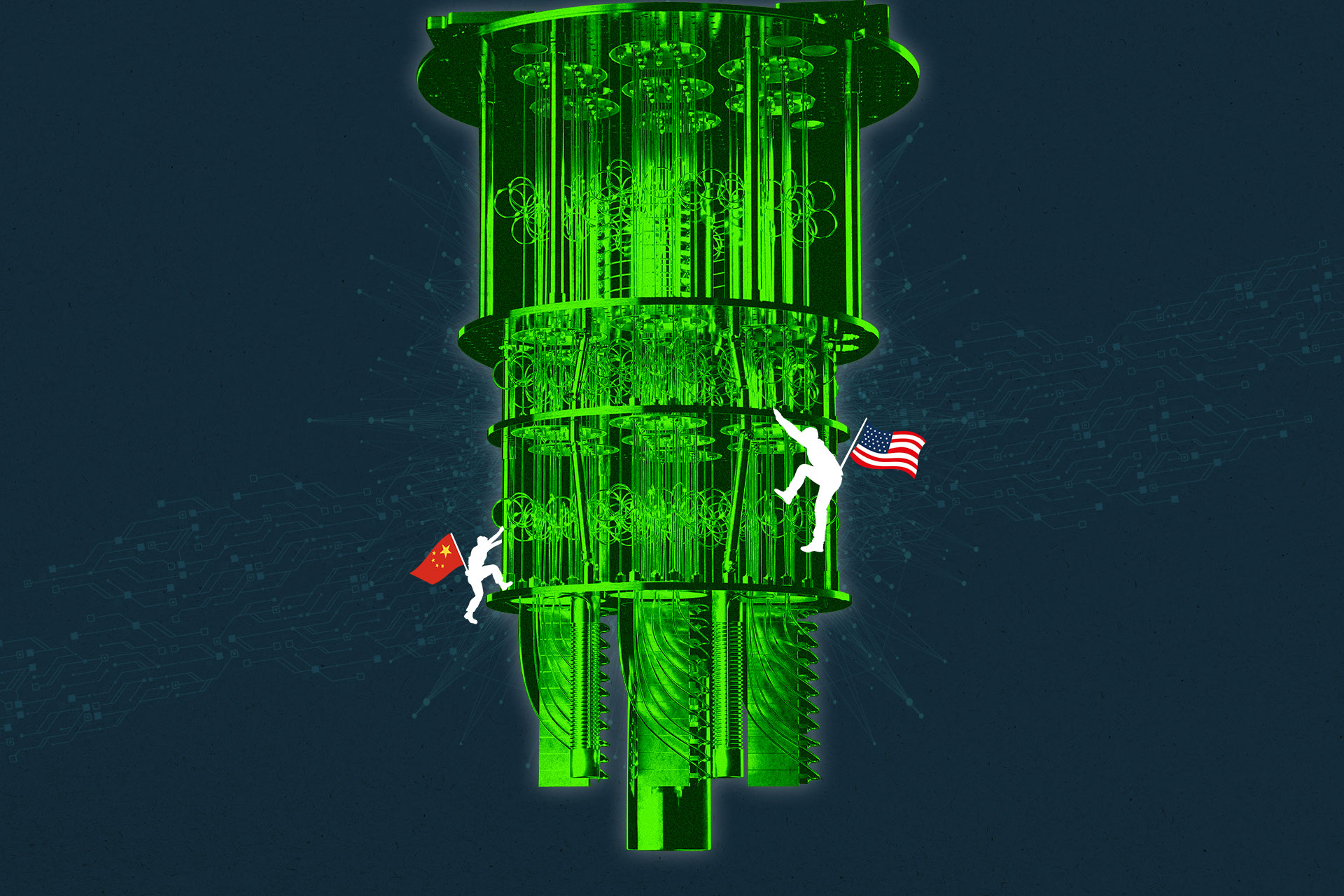
To avoid a potential crisis in the future, governments and regulatory bodies are focusing on post-quantum cryptography (PQC). The US National Institute of Standards and Technology (NIST) is working to standardize quantum-resistant algorithms. At the same time, financial institutions worldwide are implementing backup plans, and various countries are prioritizing quantum research to stay ahead of future threats. International cooperation and swift implementation of policies are crucial to ensure that Q-Day does not turn into an economic disaster.
Quantum communication is one area where China is investing heavily. This technology raises the possibility that even if the US or another rival reaches Q-Day first, Beijing will still be able to keep its own data networks secure.
In 2020, President Xi Jinping emphasized the “strategic importance” of quantum technology before top Chinese leaders, as reported by state news agency Xinhua. Under Xi, China has set a clear goal of achieving dominance in quantum science. By some estimates, China is spending more on quantum research than any other country in the world. According to an April report by McKinsey & Company, China has announced a total allocation of $15.3 billion for quantum research—over four times the $3.7 billion announced by the US.
One of the main drivers of China’s push in quantum technology is physicist Pan Jianwei, who is considered a celebrity in China and has gained the praise and support of the Chinese Communist Party.
Final Thoughts on Q-Day
Q-Day poses a serious threat to financial markets, but advance preparation can significantly reduce its impact. While the worst-case scenario is nightmarish, progress in quantum security and strategic planning also offer hope for a stable transition. Investors and governments must remain vigilant and adapt ahead of the quantum age.
References:
- https://www.reuters.com/investigates/special-report/us-china-tech-quantum/
- https://markets.businessinsider.com/news/stocks/preparing-for-a-quantum-computing-nightmare-on-the-stock-exchange-what-is-q-day-1034348488








Leave a comment