Let me start by taking you on a time machine trip to 6th Avenue in New York, 50 years ago. There, a Motorola engineer pressed a button on a device, much like a calculator, and spoke wirelessly with Bell Labs engineer Joel Engel on the other end. The man making that call was Martin Cooper, later known as the “Father of the cell phone.” This device was later commercially launched as the world’s first mobile phone under the name DynaTAC. Behind this success was intense competition between Bell Labs and Motorola. After World War II, both companies were racing to create a truly portable mobile phone.
Birth of DynaTAC:
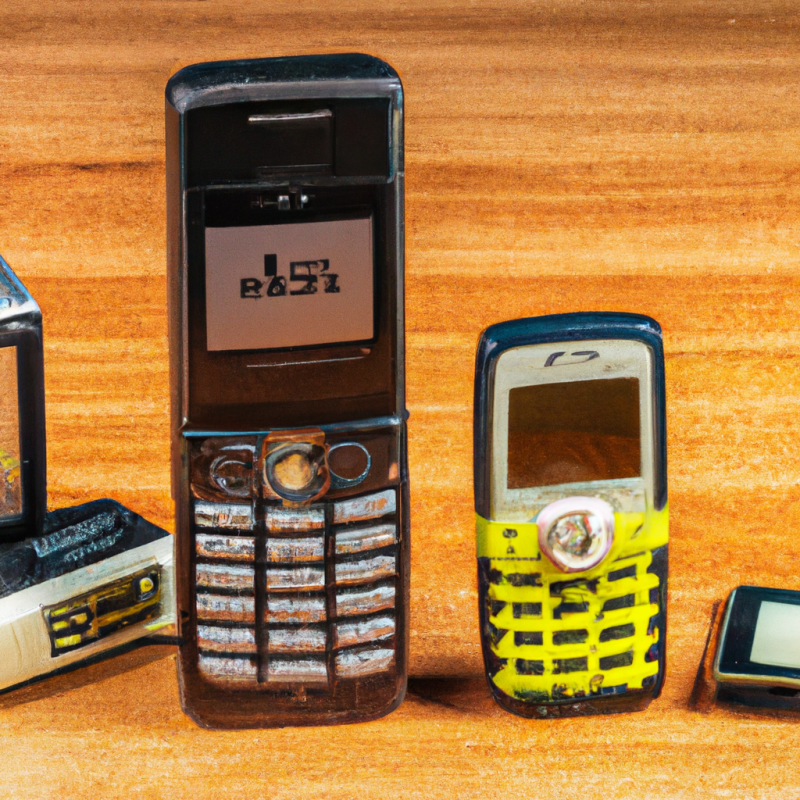
DynaTAC stands for Dynamic Adaptive Total Area Coverage. After that milestone in 1973, Motorola had to work for another 10 years before the phone could be commercially available. The model was called DynaTAC 8000X and sold in America for four thousand dollars, which would be about four and a half lakh taka in Bangladesh. Weighing about a kilogram and measuring 9 inches, this device looked like a brick, earning it the nickname “The Brick.” For just 30 minutes of conversation, it needed a “mere” 10 hours of charging—something that seems ridiculous by today’s standards.
The advent of the DynaTAC marked a new era in mobile phones. Below is a summary of their evolution:
- 1980s: Mobile phone towers began to appear in major cities around the world to enable calls on the go. New competition arose between different companies to produce better phones for users. Due to this race, mobile phones gradually became lighter and more user-friendly with longer battery life.
- 1990s: SMS or text messaging began, allowing people to send short messages. Nokia dominated the mobile phone market, introducing the Nokia 3310, which was affordable and had excellent battery life.
- 2000s: This decade was dominated by smartphones, starting with Apple’s iPhone. Phones were no longer just for calls; you could browse the internet, send e-mails, take photos, listen to music, and enjoy entertainment. Because of their multitasking abilities, they became known as smartphones.
- 2010s: This was the era of mobile apps. Various apps became available for phones, including social media apps like Facebook.
- 2020s: With the advent of the fifth generation (5G) of fast internet connectivity, doing things on mobile phones has become even faster and easier. Foldable phones with bendable displays have also started to hit the market.
Today marks the 50th anniversary of the mobile phone. We can see how quickly this little device has transformed our personal and social lives. From the journey of the DynaTAC to today’s advanced smartphones, mobile phones have truly revolutionized the way we live, work, and connect with each other.
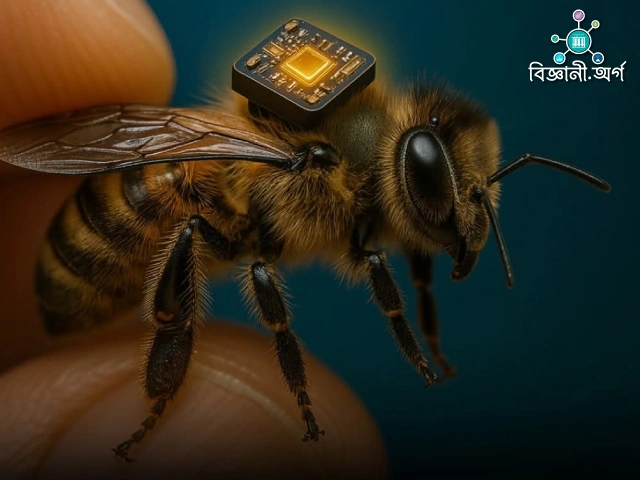
Returning to Martin Cooper, whose story began this article: When asked by a CNBC reporter what he thought the mobile phone of the future would be like, he replied that it might exist as a chip inside our bodies, charging itself using bioenergy from within. No need to carry a phone around, no fear of leaving it somewhere by mistake, and no stress over forgetting to charge it.
We eagerly await to see how the next 50 years will further change our lives.
Sources: