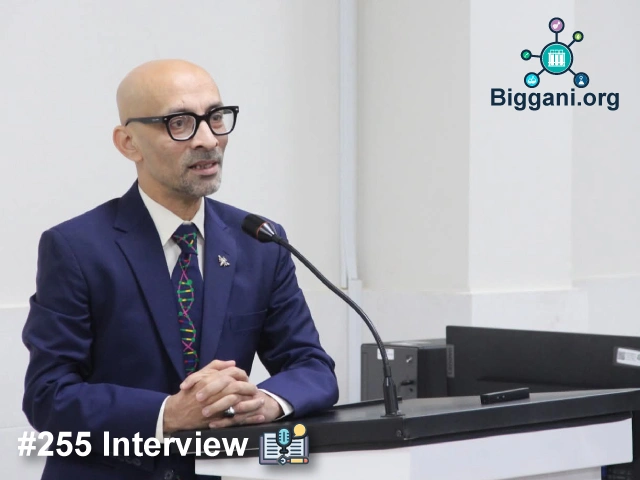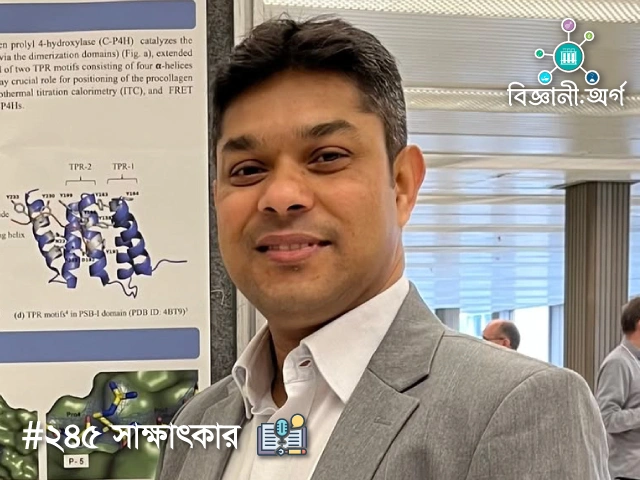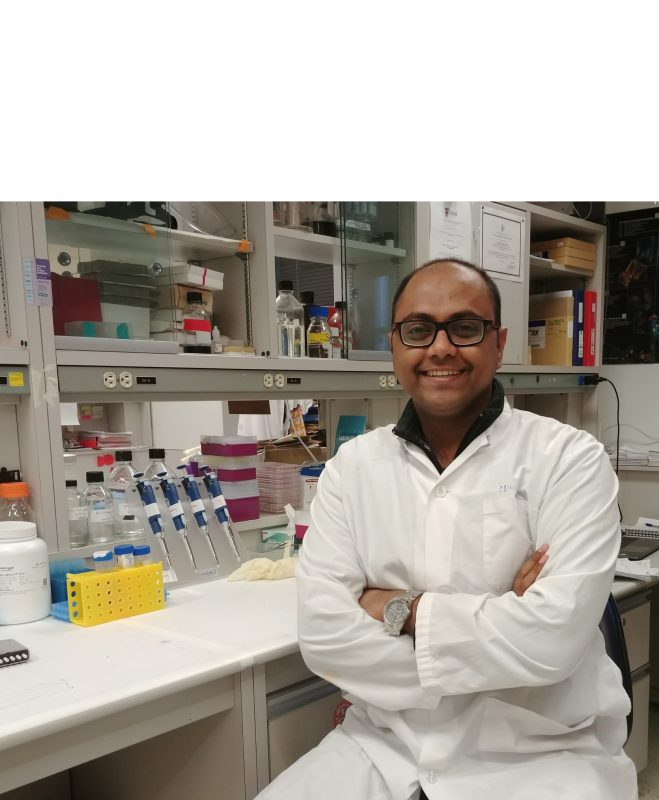
Dr. Golam Mejbah Uddin is currently working as a scientist at the Heritage Medical Research Centre of the University of Alberta, Canada. His research focuses on Cardiovascular Energy Metabolism, specifically studying the effects of heart disease, hypertension, and genetic changes. He began his journey with a degree in Pharmacy and has devoted himself to research on mitochondria-based preventive medicines and the discovery of new antioxidants. Dr. Mejbah Uddin’s research has combined experience from South Korea and Australia, concentrating on the discovery of new flavonoid-type antioxidants from Korean plants and vegetables. He is especially committed to guiding young people in Bangladesh on their scientific path and sharing his research experience.
💬 Q&A Session:
Q: You studied pharmacy and now work as a scientist. How does it feel?
A: Alhamdulillah, I really enjoy working in research. Most importantly, I find joy in this work. Many people think studying pharmacy and becoming a scientist are separate, but actually, you can become a scientist from any background. Instead of working as a pharmacist, I’m using that education for medical science research and drug discovery. There are limited opportunities for research in Bangladesh, but the feeling of heading to the lab every day by train is something special.
Q: Who has encouraged you the most to pursue science?
A: My honors project supervisors, Dr. Mokarram Hossain (University of Calgary, Canada) and Dr. Rakib Hossain (University of Tennessee, USA), encouraged me to apply for scholarships in 2009. Later, with encouragement from my parents and inspiration from friends and colleagues, I overcame each stage. In particular, Dr. Moinul Karim Mukul, Dr. Nurunnabi Baten, Nazia Mumtahana, and Dr. Sabiha Sultana Chowdhury have supported me courageously.
Q: What is your research topic and how did you come to it?
A: The mitochondria are the powerhouses of our body. Whether it’s food, vitamins-minerals, or the source of energy storage in the body, mitochondria are key for energy use. Many diseases, from cancer and diabetes, are fundamentally caused by mitochondrial malfunction. I have researched the discovery of new flavonoid-type antioxidants from Korean plants and vegetables that can preserve mitochondrial function and help prevent diseases. Additionally, my research includes finding possible improvements for diabetes and liver diseases caused by parental diet and genetic changes.
Q: What is the future of your research?
A: Currently, I’m working with animal models and clinical samples. In collaboration with the University of Alberta Hospital, this research aims to directly benefit patients with heart attacks and blood pressure conditions. I hope that in the future, cures for heart disease and diabetes will become more accessible.
Q: What have you done for young people in Bangladesh?
A: Since 2009, I have observed that many talented students in Bangladesh cannot take the scientific path due to a lack of proper information. Therefore, I created a Facebook group called “Career Planning and Basics – Bangladeshi Student,” where experienced researchers share advice regarding university applications, research, and related topics for young people. In this group, students can directly ask questions and seek guidance.
Q: What differences have you noticed in how scientists work in Bangladesh, Korea, Australia, and Canada?
A: Research opportunities are limited in Bangladesh. In Korea and Canada, government investment is large-scale, with minimal intervention, expecting significant outcomes. In Australia, investment is managed more delicately, with emphasis also placed on mental and social research.
Q: What are your future plans?
A: My goal is to establish a translational research laboratory for the discovery of therapies focused on mitochondrial manipulation or mitochondria-based disease treatment.
Q: What advice do you have for young scientists?
A: There is no substitute for effort. Before taking any step, you must prepare yourself by considering three or four possible paths. Although it is difficult for Bangladeshi students to grow up and become scientists, it is not impossible. It’s important to have a plan and a backup plan. Through patience and preparation, you have to give your best effort.
Dr. Golam Mejbah Uddin’s research is opening new horizons for the prevention of heart disease and diabetes. His international experience and innovative efforts are a source of inspiration for young researchers and Bangladeshi students. The Biggani.org team wishes Dr. Mejbah Uddin success in his research and hopes his work will make significant contributions to the scientific community and public health in the future.
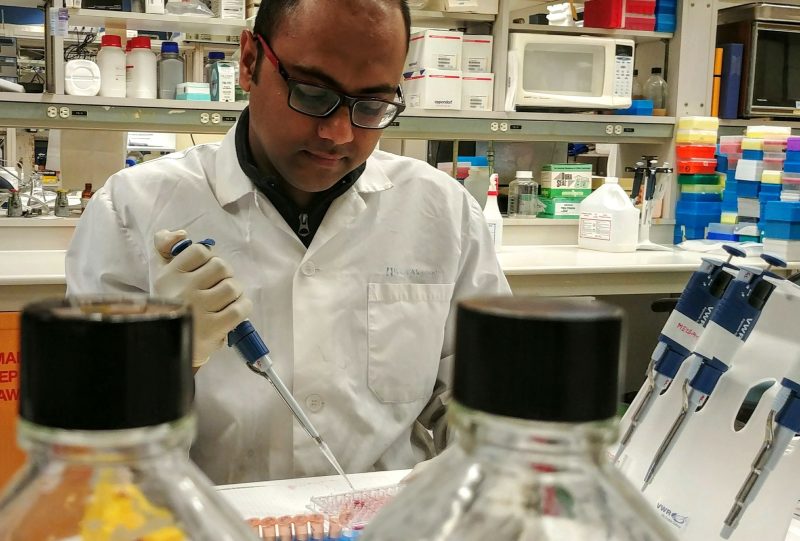
From Pharmacy to Cutting-Edge Research – Dr. Golam Mejbah Uddin’s Journey
Dr. Golam Mejbah Uddin is currently a scientist at the Heritage Medical Research Centre, University of Alberta, Canada, focusing on Cardiovascular Energy Metabolism. His research investigates the genetic and metabolic factors behind heart disease, hypertension, diabetes, and liver disorders. Beginning with a degree in Pharmacy, Dr. Mejbah Uddin transitioned into biomedical research, leveraging his academic background to develop novel drugs and antioxidants. He has conducted studies in South Korea and Australia, where he discovered flavonoid-based antioxidants that help maintain mitochondrial function, which is critical for preventing age-related diseases. In addition to his research, he actively mentors Bangladeshi students worldwide, guiding them in research planning and international academic opportunities.
💬 Q&A Session:
Q: You studied pharmacy but now work as a scientist. How does that feel?
A: Alhamdulillah, it feels wonderful to work in research. Most importantly, I enjoy the work itself. Many assume pharmacy and scientific research are unrelated, but any academic background can lead to science. I didn’t practice as a pharmacist but applied my education to medical science and drug discovery. Coming from a private university in Bangladesh, research opportunities were very limited, so traveling by train daily to the lab feels truly special.
Q: Who inspired you to pursue science?
A: During my honors project in 2009, my supervisors Dr. Mokarram Hossain (University of Calgary, Canada) and Dr. Rakib Hossain (University of Tennessee, USA) encouraged me to apply for scholarships. My parents, friends, and colleagues continuously motivated me, particularly Dr. Moinul Karim Mukul, Dr. Nurunnabi Baten, Nazia Mumtahana, and Dr. Sabiha Sultana Chowdhury. Their guidance helped me navigate every step of my research journey.
Q: What is your research focus and how did you enter this field?
A: Mitochondria are the powerhouses of the cell, converting nutrients into energy for all bodily functions. They are involved in diseases ranging from cancer to diabetes. My PhD research explored how parental diet and genetic changes influence diabetes and liver disease in offspring. I also discovered new flavonoid-based antioxidants from Korean medicinal plants and vegetables that help preserve mitochondrial function with age, potentially preventing age-related blindness. My current work focuses on genetic modulation to maintain mitochondrial function, protecting the heart from diseases like heart attack and hypertension.
Q: What is the future of your research?
A: I am currently working with animal models and clinical samples in collaboration with the University of Alberta Hospital. We aim to apply this research to real patients with heart disease, hypertension, and diabetes. I hope that in the near future, these therapies can provide practical and accessible solutions.
Q: How have you supported young Bangladeshi students?
A: Since 2009, I realized that many talented students lack proper guidance and information. To address this, I co-founded the Facebook group “Career Planning and Basics – Bangladeshi Students,” where experienced researchers share advice on university applications, research opportunities, and career paths. Students can also interact directly with mentors to get guidance and insights.
Q: Have you noticed differences in research culture across Bangladesh, Korea, Australia, and Canada?
A: Research in Bangladesh has limited scope, though government and private initiatives have improved opportunities in the last decade. Korea and Canada invest heavily in research with minimal intervention, expecting large outcomes over time. Australia invests more gradually and often emphasizes social and behavioral aspects of research, whereas Korea and Canada primarily focus on basic science.
Q: What are your future plans?
A: I plan to establish a translational research laboratory focused on mitochondrial manipulation and developing therapies for diseases associated with mitochondrial dysfunction.
Q: What advice do you have for young scientists?
A: Perseverance is key. Before taking any step, consider 3–4 possible paths and prepare for all outcomes. Becoming a scientist from Bangladesh is challenging but achievable. Always plan ahead, have a backup plan, and ensure you give your best effort in every stage. The goal is to feel satisfied that you tried your utmost, contributing to your own growth, your country, and potentially the world.
Dr. Golam Mejbah Uddin’s work in mitochondrial research and cardiovascular health exemplifies how global collaboration and rigorous experimentation can advance medical science. His dedication to mentoring young Bangladeshi scientists and translating laboratory findings into potential therapies highlights both his commitment to research and societal impact. The biggani.org team wishes Dr. Mejbah Uddin continued success and hopes his journey inspires a new generation of scientists from Bangladesh and beyond.