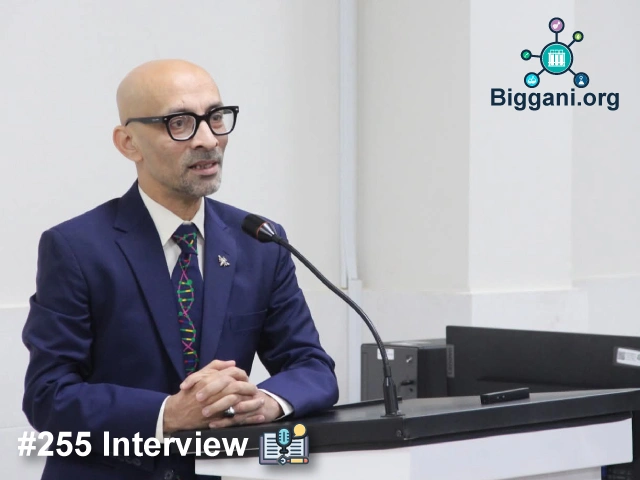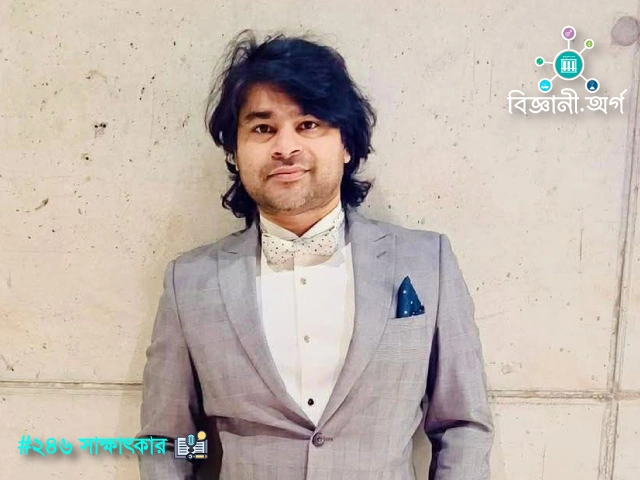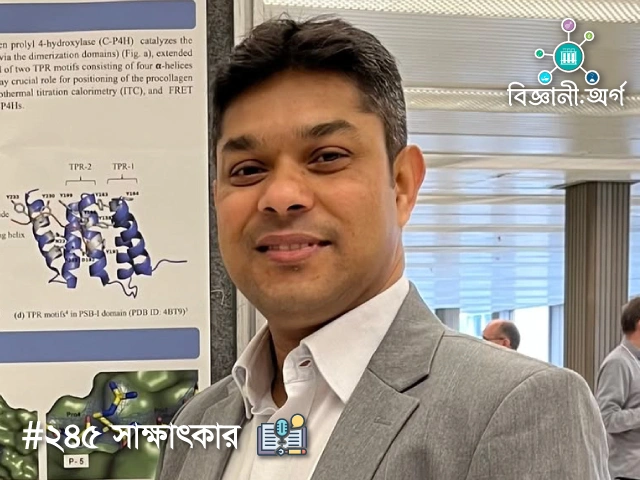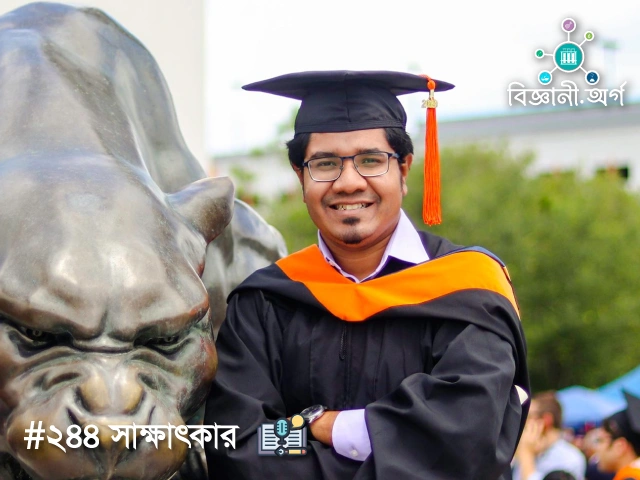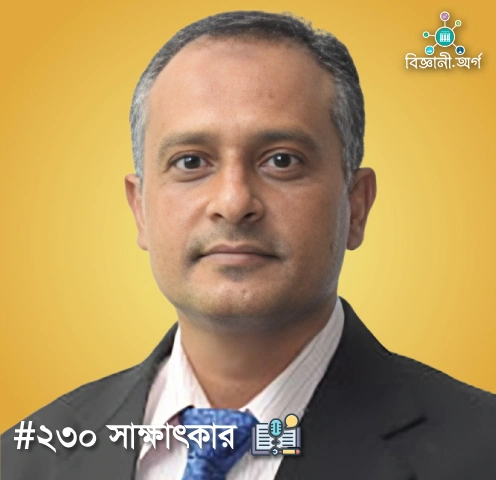
Dr. Mayeen Uddin Khandaker is currently a Professor of Applied Physics and Radiation Technology at Sunway University, Malaysia. He completed his BSc and MSc in Physics from the University of Chittagong, achieving first place in first class in both degrees. Later, he earned his PhD in Nuclear Physics in South Korea.
His primary research fields include nuclear materials, radiation dosimetry, medical physics, environmental radioactivity analysis, radiation shielding, nanotechnology, and thorium-based nuclear energy. He has served as the Principal Scientific Investigator in research projects of the International Atomic Energy Agency (IAEA).
He has published more than 784 research articles in Scopus-indexed journals, and his research papers have been cited over 24,000 times. His consistent inclusion in international rankings of influential scientists is a testament to the breadth and quality of his research activities. Although currently working abroad, he remains actively involved in developing research in Bangladesh.
💬 Q&A Session:
Question: Could you share something about your childhood and upbringing?
Answer: My childhood was spent in a modest but value-rich family. Education was highly prioritized in our home. Despite limited financial advantages, there were no boundaries when it came to dreaming. Since childhood, I was fascinated by various natural phenomena—how light spreads, why the sky is blue, how magnets work. Searching for answers to these questions nurtured my interest in science. Mathematics and science were my favorite subjects in school. Encouragement from my teachers taught me how to think. I believe childhood curiosity is a researcher’s first asset.
Question: How did the key stages of your academic life influence you?
Answer: Achieving first place in first class in both BSc and MSc at the University of Chittagong boosted my self-confidence. At undergraduate and postgraduate levels, the combination of theoretical analysis, mathematical modeling, and experimental work steered me towards research. While pursuing my PhD in South Korea, I had the opportunity to work in an international-standard research environment. There, I learned the importance of time management, quality control, and collaborative research.
Question: Where are you currently employed, and what is your professional experience?
Answer: Currently, I am working as a Professor at Sunway University and have been serving as a Senate member of the university since 2018. Previously, I worked at the University of Malaya, IAEA, AIUB, and the Korea Atomic Energy Research Institute. In addition, I am involved in research as a visiting scientist at RIKEN and the National Institute of Radiological Sciences in Japan.
Question: What are your main research areas?
Answer: My main goal is to apply nuclear science and radiation technology for the benefit of humanity. I am working on nuclear materials and radiation dosimetry, which help in precise measurement of radiation in cancer radiotherapy. My research also includes radionuclide production in medical physics, environmental radon analysis, development of lead-free radiation shielding materials, and neutronic analysis of the thorium fuel cycle.
Question: How does your research contribute to human welfare?
Answer: Radiation dosimetry research helps ensure precise radiation delivery in cancer treatment. Through my work in the IAEA’s “Theranostic Radionuclide Production and Application” project, I have been able to contribute to advanced cancer diagnosis and therapy. Additionally, environmental radioactivity and radon analysis play an important role in protecting public health.
Question: What are the significant milestones in your research career?
Answer: I have published 784 research articles in Scopus-indexed journals. My research papers have been cited over 24,000 times. My H-index is 70. For five consecutive years, I have been included among the top 2% of scientists worldwide in the Elsevier–Stanford University listing.
Question: What has been the biggest challenge in your research career?
Answer: Maintaining consistency in research has been the biggest challenge. I have experienced manuscript rejection and results not meeting expectations. However, I have always tried to improve my work by analyzing criticism and feedback.
Question: What has been your experience working internationally?
Answer: International research environments have made me more professional and goal-oriented. Working with researchers from different countries has made me realize the importance of scientific collaboration.
Question: How do you see the prospects of research in Bangladesh?
Answer: The young population in Bangladesh is a major strength. With the right policies, funding, and international collaboration, significant progress in research is possible.
Question: What advice would you give to young researchers?
Answer: Strengthen your foundations, read international journals, improve your English proficiency, and maintain integrity in research. Dare to dream big, but realize those dreams through consistent hard work.
Question: What are your future plans?
Answer: I want to work more extensively on advanced dosimetry tools, environmental radon risk analysis, lead-free radiation shielding, and safe thorium-based nuclear energy research. At the same time, I plan to increase joint research with Bangladeshi universities.
📩 Contact Information
📧 E-mail:
[email protected]
[email protected]
🔗 Official Profile
🏢 Staff Profile (Sunway University): https://sunwayuniversity.edu.my/school-of-engineering-technology/staff-profiles/professor-mayeen-uddin-khandaker
📚 Research & Academic Profiles
🔬 Web of Science (WoS): https://www.webofscience.com/wos/author/record/F-5376-2011
🆔 ORCID: https://orcid.org/0000-0003-3772-294X
📊 Scopus: https://www.scopus.com/authid/detail.uri?authorId=36836773700
🎓 Google Scholar: https://scholar.google.com.my/citations?user=Xk8wGTgAAAAJ&hl=en
Dr. Mayeen Uddin Khandaker’s research activities make real contributions to vital fields such as nuclear science, medical technology, and environmental protection. His active participation in the international research arena can serve as a guide for young researchers in Bangladesh.
The biggani.org team wishes him ongoing success in his research and academic achievements. May his work inspire young students in Bangladesh to pursue scientific inquiry.