


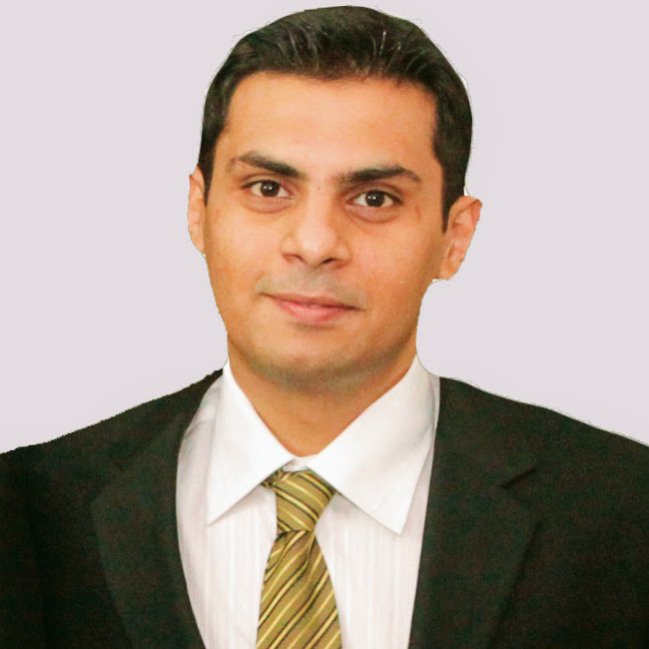
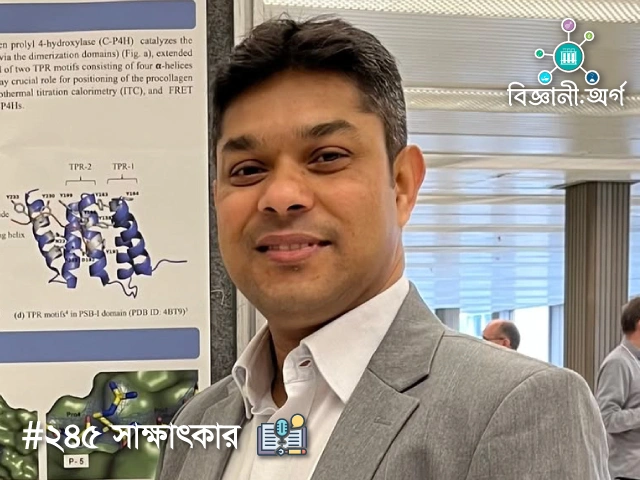
Dr. Reduan Hasan Khan is currently serving as the Head of Internet-of-Things (IoT) at Grameenphone Limited. He graduated with a B.Sc. (Honors) in Electrical and Electronic Engineering (EEE) from Bangladesh University of Engineering and Technology (BUET) in 2007. Later, in 2014, he earned his PhD from the University of Newcastle, Australia, researching “Machine-to-Machine (M2M) Communication in 4G Wireless Networks.”
Dr. Khan has worked in Australia as a research engineer and consultant on various telecommunication projects. In 2015, he returned to Bangladesh and joined Grameenphone as Head of Core Network Operations. His research interests include 4G wireless systems, M2M communication, smart grids, and IoT. Dr. Khan is a member of the IEEE IoT and Smart Grid communities and an active participant in BASIS’s IoT Standing Committee. He plays an active role in expanding IoT and technological innovation in Bangladesh.
💬 Q&A Session:
Q: Please briefly introduce yourself to our readers.
A: I was born in Dhaka and completed SSC and HSC at Mirzapur Cadet College (MCC). I graduated in Electrical and Electronic Engineering (EEE) from BUET. While studying at BUET in 2007, I joined Grameenphone as an intern and later worked as a Core Network Engineer. After four years, I went to Australia for my PhD. Following my PhD, I worked as a consultant at Housley Consulting. In 2015, I returned to Bangladesh for family reasons and joined Grameenphone as Head of Voice Core Network Operations. Since July 2017, I have been leading Grameenphone’s IoT portfolio.
Q: You studied smart grids in Australia and are now working with IoT in Bangladesh. How has your experience been?
A: I have been closely involved with IoT since 2009. During my PhD, I visited different countries and saw how this technology is boosting efficiency and innovation across industries. While working on IoT projects in Australia, I realized its real potential.
Upon returning to Bangladesh, my initial roles were different due to limited IoT opportunities. But when the opportunity to lead IoT at Grameenphone arose, I accepted. With an average age of 26 and 64 million internet users, technology adoption is fast in Bangladesh. With sustained GDP growth, the IoT market here could expand rapidly. Success requires increased awareness, building a strong IoT ecosystem, and focusing on local solutions.
Q: Which sectors in Bangladesh are using IoT?
A: Although still at an early stage, electricity and water utilities such as BPDB, DPDC, DESCO, REB, WASA, etc., are using IoT for remote meter reading. In the industry and service sectors, innovations are emerging in fleet management, asset tracking, and factory automation. In the consumer segment, vehicle tracking is quickly gaining popularity.
Q: Some say Bangladesh doesn’t create its own technology. What are your thoughts and future plans?
A: Innovation is central to IoT. It’s not a solution that can be developed abroad and simply applied in Bangladesh. IoT is contextual and requires thousands of device makers and app developers to solve local problems. This will employ thousands of engineers. To succeed, we must build a strong ecosystem. India has already made significant progress in IoT. If we’re late, we may lose out on the IoT revolution just as we did with the IT revolution.
Q: Any advice for young students?
A: Students should start experimenting with IoT devices and applications. EEE students can build devices using Arduino or Raspberry Pi, while CSE students can write applications using Python or Java. Using free platforms like AWS IoT and Microsoft Azure IoT, end-to-end solutions can be created with local hardware.
🪶 Closing Remarks:
Dr. Reduan Hasan Khan’s work is strengthening Bangladesh’s IoT ecosystem. By combining experiences from Australia and Bangladesh, he is advancing local innovation and technology adoption. Through increased awareness and by focusing on startups and local solutions, he aims to boost efficiency and entrepreneurship via IoT. The Biggani.org team wishes Dr. Khan success in his research and hopes it inspires Bangladesh’s young engineers and researchers.
Dr. Reduan Hasan Khan’s Insights on the Future of IoT at Grameenphone
Dr. Reduan Hasan Khan is currently the Head of Internet-of-Things (IoT) at Grameenphone Ltd., Bangladesh’s leading telecommunications provider. He obtained his B.Sc. (Hons) in Electrical and Electronic Engineering (EEE) from Bangladesh University of Engineering and Technology (BUET) in 2007. After working as a Core Network Engineer at Grameenphone from 2007 to 2011, he pursued a PhD at the University of Newcastle, Australia, focusing on “Machine-to-Machine (M2M) Communications over 4G Wireless Networks,” which he completed in 2014.
Dr. Khan has held positions as a Research Engineer and Consultant in Australia, contributing to multiple telecommunications projects, and returned to Grameenphone in 2015 as Head of Core Network Operations. With over 20 publications in leading international journals and conferences, including IEEE Transactions and Elsevier, he has significantly contributed to research in 4G Wireless Systems, M2M Communications, Smart Grids, and IoT. He is a member of IEEE IoT and Smart Grid communities and actively participates in Bangladesh Association for Software and Information Services (BASIS) committees on IoT.
💬 Q&A Session:
Q: Could you briefly introduce yourself to our readers?
A: I was born in Dhaka and attended Mirzapur Cadet College (MCC) for my SSC and HSC. I completed my BSc in EEE from BUET and later pursued a PhD at the University of Newcastle, Australia. In early 2007, while still a student at BUET, I joined Grameenphone as an intern and later as a Core Network Engineer. After four years, I went to Australia for my PhD, and subsequently worked as a consultant at Housley Consulting. I returned to Bangladesh in 2015, taking on the role of Head of Voice Core Network Operations at Grameenphone. Since July 2017, I have been leading the company’s IoT portfolio.
Q: You studied smart grids in Australia and are now implementing IoT in Bangladesh. How has the transition been?
A: I have been closely following IoT since its inception in 2009. During my PhD, I had the privilege of visiting several countries to see how this technology improves efficiency and drives innovation across industries. Working on IoT projects in Australia also gave me insight into its immense potential.
Returning to Bangladesh initially meant taking on a different role, as IoT opportunities were limited. When the chance arose to lead IoT initiatives at Grameenphone this year, I accepted immediately. Bangladesh, with over 2% of the world’s population and a median age of 26, has an agile consumer base ready to adopt new technologies. With sustained GDP growth above 6% and 64 million internet users, the country has the potential to become a major IoT market. To succeed, we need to raise awareness, build a vibrant ecosystem, and focus on homegrown solutions that address local business needs.
Q: Which sectors in Bangladesh are currently adopting IoT?
A: While IoT is still in its early stages here, electricity and water utilities—like BPDB, DPDC, DESCO, REB, and WASA—are among the early adopters, using IoT for remote meter reading. New use cases are emerging in industrial and service sectors, including fleet management, asset tracking, and factory automation. In the consumer segment, vehicle tracking is gaining popularity.
Q: Some say Bangladesh does not produce its own technology but relies on foreign solutions. Your thoughts and future plans?
A: Innovation lies at the core of IoT. It is not a single solution that can be developed in a lab abroad and applied universally; IoT must be contextual, with thousands of device manufacturers and application developers creating solutions for local challenges. IoT can generate job opportunities for Bangladesh’s engineering graduates, but success requires a strong ecosystem of solution developers, customers, and government support. India has advanced significantly in IoT; if we delay, we risk missing the chance to participate in this global revolution.
Q: What advice would you give young students interested in working on IoT?
A: Students should start experimenting with IoT devices and applications. EEE graduates can create IoT devices using Arduino and Raspberry Pi, while CSE graduates can develop applications with Python or Java on embedded Linux. Free IoT platforms like AWS IoT and Microsoft Azure IoT provide APIs and SDKs to create end-to-end solutions using locally available hardware.
🪶 Conclusion & Remarks:
Dr. Reduan Hasan Khan’s work is laying the foundation for a thriving IoT ecosystem in Bangladesh. His combined experience in Australia and Bangladesh positions him to bridge global expertise with local innovation. By fostering awareness, supporting start-ups, and promoting homegrown solutions, Dr. Khan envisions a future where IoT drives efficiency, entrepreneurship, and technology adoption in the country. The biggani.org team extends its best wishes to Dr. Khan for continued success and hopes his journey inspires young engineers and researchers across Bangladesh.





besh valo lagco interview ta. thanks a lot…. @ http://pcjobs24.com/