Current Workplace: Western Norway University of Applied Sciences, Bergen, Norway
First, let us know about him
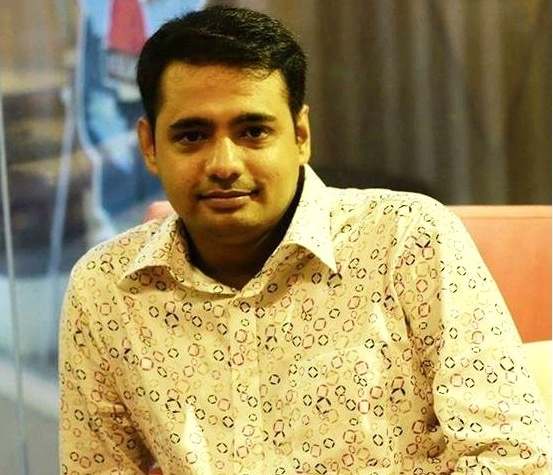
His name is Shayokh. He is currently working as a PhD researcher at the Western Norway University of Applied Sciences in Bergen, Norway, under the SFI SMART OCEAN project. He is working on Underwater Wireless Sensor Networks (UWSN).
His project is mainly industry-based, where 21 companies are collaborating. The key objective of this project is to manage all underwater activities by establishing an underwater WiFi network. Sectors including oil, gas, and even the military are associated with it. It plays a very important role for Europe as well as other developed countries.
What is his research about?
His research is mainly divided into two separate parts. Generally speaking, his work is protocol design. More specifically, he is focused on designing protocols for the media access and network layers.
The media access layer is very important in wireless communication. This layer ensures the proper use of the communication medium among multiple devices in a network, which helps reduce data loss, prevent bandwidth waste, and increase energy efficiency. In addition, it plays a crucial role in channel access control, prioritization, and ensuring reliable data transfer to keep the network efficient and stable.
The underwater environment is entirely different from ground or above-water conditions. Several factors need to be considered here. New protocols have to be designed with these factors in mind. The same applies to the network layer.
Alongside this, modifying protocols as needed is a challenging task. He has mainly designed two new protocols and is working on identifying the problems faced during such modifications and how to overcome them.
How is his research work benefiting us, or how might it benefit us?
The SFI Smart Ocean project is primarily developing advanced sensor, communication technologies, and data analysis systems to ensure marine and maritime environmental monitoring, protection, and sustainable usage.
Through his research, it will be possible to protect marine biodiversity, monitor the impact of climate change, and improve marine resource management. Beyond this, it can help prevent maritime accidents, control pollution, and promote the growth of the Blue Economy, all of which will help the world and bring long-term benefits to the global environment and economy.
Would he like to share any special experiences from his research work?
Actually, even as a riverine country, it is difficult for us to grasp the importance of river- or ocean-based (information and technology-based) research, because there is hardly any research in these fields in our country.
After starting his research here, when he had the chance to go to the real ocean, see everything with his own eyes, and work there, that’s when he truly understood how extensive this field is. The deeper you go, the more you realize how much remains to be explored.
What qualities does he think a scientist needs?
The ability to accept the word “no,” patience, courage to ask questions, and a never-give-up attitude. If these four are present, the rest can be learned over time.
Does he have any messages for Bangladeshi youth who wish to pursue science?
A common mindset in our country is that we are used to following the hype. Usually, we feel comfortable working in traditional fields. It often takes a big part of our life to even think or accept that meaningful work can be done outside those boundaries.
If only a fraction of the discussions we have in tea stalls or, especially, university canteens focused on science, that would be enough. In developed countries, talent and science-based, constructive discussions are highly valued. It can be said that it is a form of culture. Despite having talent in our country, we are falling behind because this culture is missing here.
Contact Information:
📧 E-Mail: [email protected]
🔗 LinkedIn: linkedin.com/in/md-al-shayokh-24a03b34
📚 Google Scholar: Scholar Profile
Interview: Md. Al Shayokh – Researcher on Underwater Wireless Networks
Current Workplace: Western Norway University of Applied Sciences, Bergen, Norway
First, let us know about him
His name is Shayokh. He is currently working as a PhD Researcher at the Western Norway University of Applied Sciences in Bergen, Norway, under the SFI SMART OCEAN project. He is conducting research on Underwater Wireless Sensor Networks (UWSN).
His project is mainly an industry-based initiative where 21 companies are collaborating. The main goal of this project is to create an underwater WiFi network to manage and operate all underwater activities. The project involves oil, gas, and even military applications. For Europe and other developed countries, this holds significant importance.
What is his research about?
His research is mainly divided into two separate areas. Generally speaking, his work focuses on protocol design. More specifically, he is working on Media Access and Network Layer protocol design.
In wireless communication, the media access layer plays a vital role. This layer ensures proper utilization of the communication medium among multiple devices in a network, which helps to minimize data loss, prevent bandwidth wastage, and ensure energy efficiency. In addition, through channel access control, prioritization, and reliable data exchange, this layer helps keep the network efficient and stable.
The underwater environment is entirely different from terrestrial or above-water communication. Several unique factors must be considered here. Keeping these challenges in mind, new protocol designs are required. The same applies to the network layer.
Alongside, adapting or modifying protocols based on specific needs is also a challenging task. He has designed two new protocols and is also working on identifying the challenges of protocol adaptation and the possible solutions.
How can his research benefit us?
The SFI Smart Ocean project is primarily developing advanced sensors, communication technologies, and data analysis systems to ensure ocean and marine environment monitoring, protection, and sustainable utilization.
Through his research, it will be possible to protect marine biodiversity, monitor the effects of climate change, and improve marine resource management. Additionally, it can help in preventing maritime accidents, controlling pollution, and developing the Blue Economy, which will assist the world and bring long-term benefits for the global environment and economy.
Can he share any special experience from his research work?
Coming from a riverine country, it is often difficult for us to understand the importance of river or ocean-based (information and technology-driven) research, because in our country such research is almost nonexistent.
After starting this research, when he had the opportunity to go to the real ocean, observe everything with his own eyes, and work directly there, he realized the vastness of the field. It is such an area where the deeper you go, the more you realize how much remains unexplored.
What qualities should a scientist have, in his opinion?
The ability to accept the word “No”, patience, courage to ask questions, and a never-give-up attitude. If these four qualities are ensured, everything else can be learned over time.
What is his message for young Bangladeshi students who want to pursue science?
In our country, we usually have a tendency to follow hypes. Generally, we feel comfortable working in traditional fields. It often takes a large portion of our life to even think and accept that work can also be done outside these areas.
If even a fraction of the discussions we usually have in tea stalls, especially in university canteens, could be devoted to science, that would be enough. In developed countries, talent and constructive, science-based discussions are highly valued—it is considered a culture. Despite having talent, we are falling behind due to the lack of such a culture in our country.
Contact Information:
📧 E-Mail: [email protected]
🔗 LinkedIn: linkedin.com/in/md-al-shayokh-24a03b34
📚 Google Scholar: Scholar Profile