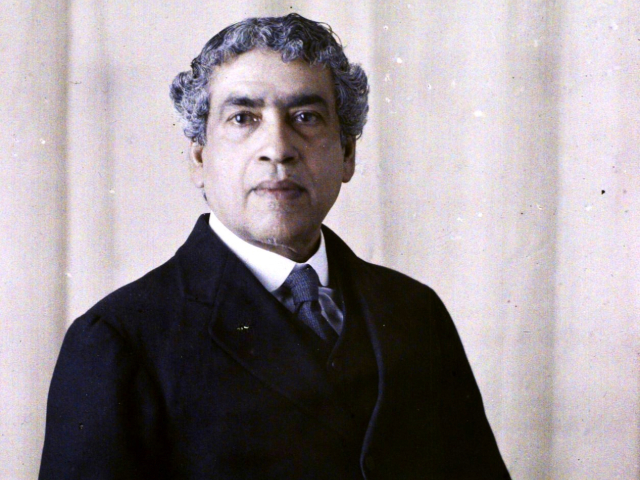
Sir Jagadish Chandra Bose (1858–1937) was a Bengali scientist who stirred not just the Indian subcontinent, but the entire global scientific community. The scope of his research was so vast that he made equal contributions to both plant physiology and the development of wireless communication. He was a dedicated researcher who devoted his life to unraveling the mysteries of nature.
Early Life Background:
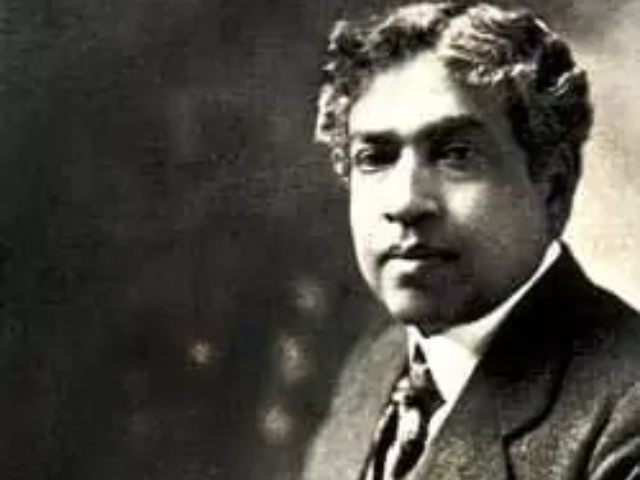
Jagadish Chandra Bose was born on November 30, 1858, in the village of Ranagao in Mymensingh district, present-day Bangladesh. His father, Bhagawan Chandra Bose, was a Deputy Magistrate and a patron of culture. From a young age, Jagadish Chandra developed a deep interest in nature. His primary education began in a rural school, where he forged a close bond with local culture and the natural environment. Later, his studies at Kolkata and the University of Cambridge in London led him towards advanced scientific inquiry.
The Discovery of Plant Sensitivity and the Crescograph:

One of Jagadish Chandra Bose’s major discoveries was the sensitivity of plants. He demonstrated that plants, like animals, can feel pain and pleasure. To prove this, he invented a device called the “crescograph,” which could measure plant growth and their responses with extreme precision. Through this instrument, he scientifically established that plants exhibit living responses and react to their environment.
Pioneer of Wireless Science:
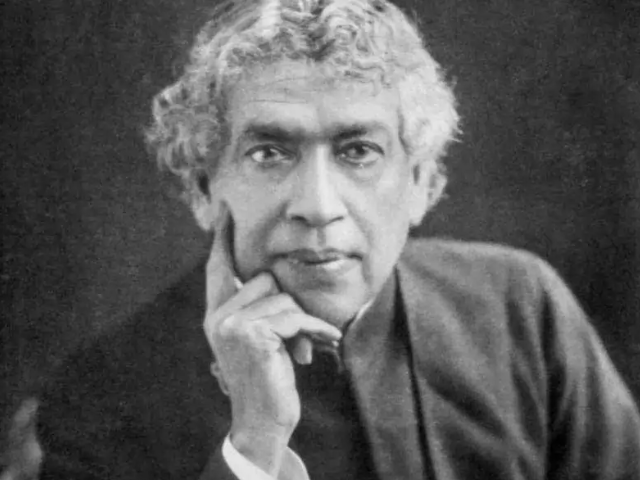
Sir Jagadish Chandra Bose was not only famous for his research on plants, but also a pioneer in the field of wireless science. In 1895, he demonstrated the practical application of radio waves, which later became the foundation of modern telecommunications. His invented apparatus, especially the “microwave detector,” is at the core of today’s wireless communication systems. Although his contributions to wireless communication were not fully recognized, he will always be remembered in the history of science.
The Connection Between Literature and Science:
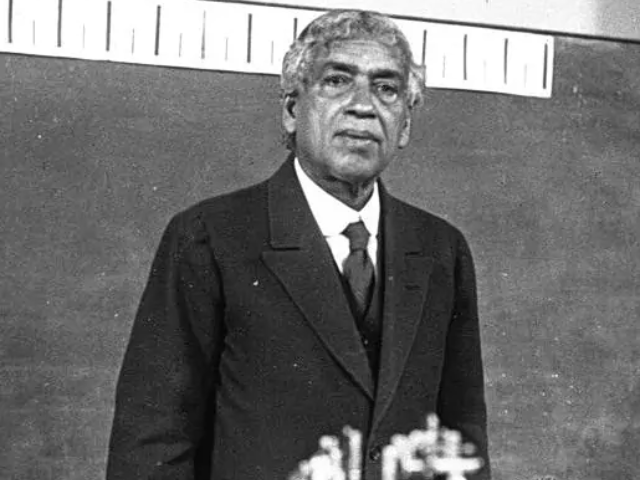
Jagadish Chandra Bose was not just a scientist; he also loved literature. He believed that science and art complement each other. In his writings, he deeply explored the mysteriousness of nature and the process of unveiling it through science. Works such as ‘Abyakta’ and ‘Niruddha’ continue to captivate readers to this day.
The Union of Science and Humanity:
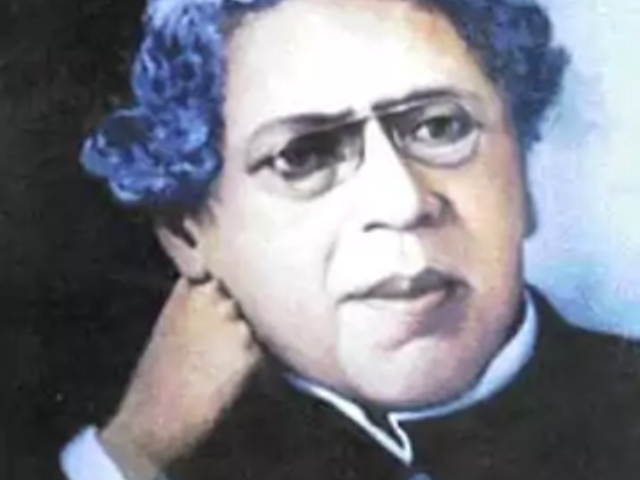
Sir Jagadish Chandra Bose believed that science is not just a field of research, but a means to serve humanity. Through uncovering the beauty and mysteries of nature, he sought to enrich human life. His research taught us that nature and science are partners, and this connection is an invaluable asset for humankind.
Conclusion:
Sir Jagadish Chandra Bose was a unique personality who served science until his last day. His life teaches us that devotion to truth, love for nature, and a thirst for knowledge can elevate a person to infinite heights. Even today, he remains a source of inspiration for us and a guiding light for future generations.
Our deepest respect and gratitude to him will remain forever undiminished.