Agriculture stands today at a complex crossroads. On one hand, population growth, rising food demand, and the pressures of climate change are mounting; on the other, arable land is shrinking, soil fertility is declining, and environmental pollution is becoming ever more severe. In this reality, the question remains—can we ensure future food security by continuing to use fertilizers in the same way as before?
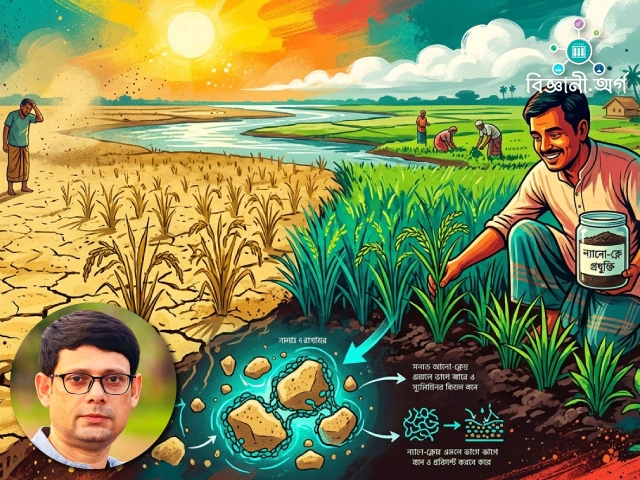
There has been a fundamental problem with conventional fertilizer use for a long time: a significant portion of the nutrients or fertilizers we apply to the soil remains unavailable to plants. Nitrogen is washed away in rainwater or escapes as gas. Meanwhile, phosphorus becomes permanently bound in the soil, and excessive application leads to environmental pollution. The results are increased costs for farmers, soil degradation, and eutrophication of rivers and water bodies.
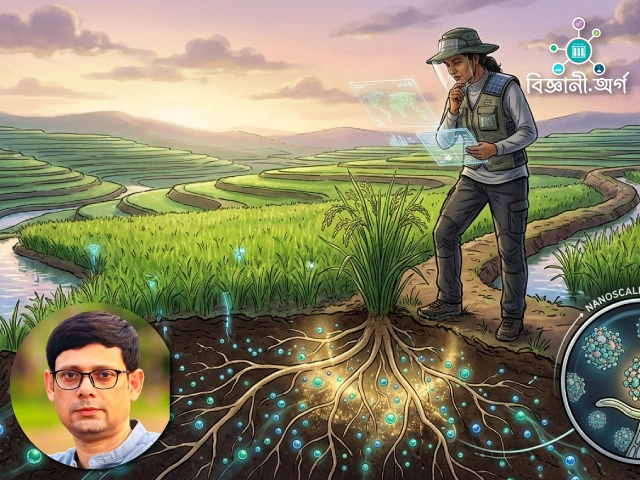
Against this backdrop, research and discussion on the new technology known as “nanofertilizers” are growing worldwide. Nanometric particles, with sizes ranging from 1 to 100 nanometers, possess special physical and chemical properties that may allow for more controlled and efficient nutrient delivery. Studies have shown that these nanoparticles can release nutrients slowly, remain longer in the plant root zone, and even pass through tiny pores in cell walls to assist with direct nutrient uptake.
Various forms of nanofertilizers have already been developed, such as nano-macronutrient, nano-micronutrient, slow/controlled release, nano-composite, and nano-enhanced formulations. In some cases, positive results have been observed, including increased nitrogen use efficiency in rice and wheat, correction of micronutrient deficiencies, and improved yields.
But the brighter the light of technology, the deeper its shadow.
The unique activity of nanomaterials does not affect only plants—it can also impact soil microorganisms, earthworms, and even the food chain. Some studies suggest that at higher application rates, certain nanoparticles may reduce microbial diversity, alter enzyme activities, or induce oxidative stress in plants. The long-term environmental effects are still not fully understood.
So which path should we take?
Denying technology is not the answer. Blind acceptance, however, is no responsible solution either. Nanofertilizers have opened up a possibility for us—higher yields with lower inputs, improved nutrient efficiency, and reduced environmental pollution. But to turn this potential into real success, we need—
- Long-term, field-based research
- Environmental risk assessment
- Clear policies and regulatory frameworks
- Scientific standards for dosage and application methods
- Farmer training and public awareness
If properly adopted in fertilizer-dependent agricultural systems like in Bangladesh, this technology could strengthen food and nutrition security. Especially in saline, infertile, or micronutrient-deficient soils, it could play an effective role. But we must remember—technology is never the solution by itself; it is only a tool. Without proper management, that same tool can bring about negative consequences.
Science shows us the horizons of possibility, but responsibility determines our path.
Are nanofertilizers the future of agriculture? Perhaps.
But that future must be data-driven, environmentally aware, and centered on human welfare.
The decision is now ours—are we ready to harness science in the right way?
Author: Dr. Ripon Sikder,
Deputy Program Director (Seed), Partner, BADC, Dhaka