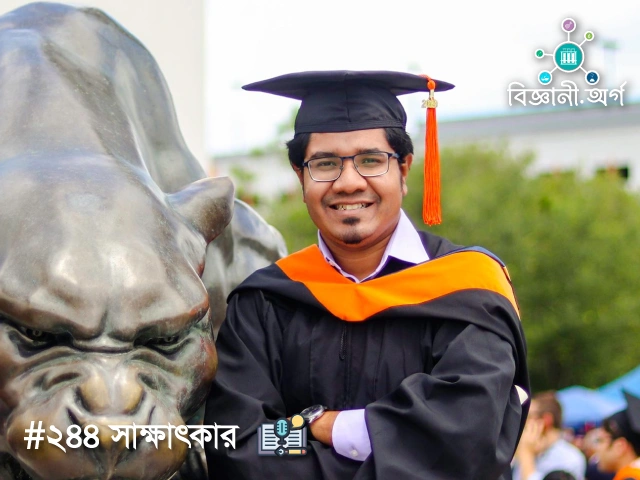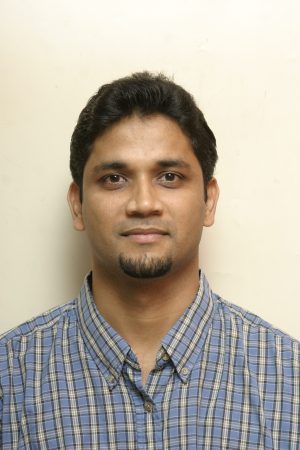
Dr. Nowshad Amin is currently a Professor in the Department of Electrical, Electronic, and Systems Engineering at the National University of Malaysia (Universiti Kebangsaan Malaysia). He is also the head of the Solar Photovoltaic Research Group at the same university. Originally from Sarafbhata village in Rangunia upazila of Bangladesh, he received the Japanese MONBUSHO scholarship in 1990 and earned his Master’s (1998) and PhD (2001) from the Tokyo Institute of Technology, specializing in Thin Film Solar Cell technology. After postdoctoral research in Japan and the United States, he joined academia and research in Malaysia. His main research areas include microelectronics, renewable energy, solar photovoltaic applications, and Thin Film Solar PV development. Additionally, he leads both Malaysian and international projects and has published numerous research papers, books, and book chapters.
💬 Q&A Session:
Question: Please tell our readers a bit about yourself.
Answer: My name is Nowshad Amin. My ancestral home is in Sarafbhata village, Rangunia upazila, Chattogram, but I grew up at my maternal grandparents’ house in Nandan Kanan, Chattogram city. My father, Dr. Nurul Amin Chowdhury, was the chief physician at the Karnafuli Paper Mill hospital after independence. I completed my secondary and higher secondary education at Comilla Cadet College. After that, I started my academic journey in Japan with a MONBUSHO scholarship and earned my PhD from the Tokyo Institute of Technology. I then worked at Motorola and completed a postdoctoral fellowship at the University of South Florida, USA. Currently, I am working as a researcher and teacher in Malaysia. I live with my wife Jannatul Wasul and three daughters.
Question: After long-term study and research in Japan, now you are conducting research in Malaysia. How does it feel?
Answer: After research in Japan and the United States, the initial days in Malaysia were challenging—lower salary and limited lab facilities. However, gradually, I have built a world-class lab from scratch. About 15 PhD and 20 postgraduate researchers have worked under my supervision. There have been opportunities for international funding and publication in journals. This experience is important to encourage young people and build confidence in research.
Question: Why is solar cell usage still limited?
Answer: Negative publicity and weak policies are the main reasons. Globally, solar panels are replacing more than 350 gigawatts of nuclear reactor capacity. In Bangladesh, due to weak import and testing policies, substandard panels have entered, creating a negative perception.
Question: Please give a brief overview of your research on grid-connected photovoltaic systems.
Answer: Since the discovery of the solar cell in 1946, research has been done on various materials. Currently, electricity is being supplied from solar farms with megawatt capacities in different countries. In Bangladesh, a 3-megawatt farm was recently connected to the grid. With agro-photovoltaics, it is possible to combine agriculture and electricity generation.
Question: What role can solar cells play in Bangladesh?
Answer: Absolutely. However, proper policies, education, and research are crucial. Local researchers and institutions must be recognized through patents and research publications. Rather than focusing only on making low-cost solar panels, it is essential to nurture the next generation for the long term.
Question: Tell us about your work for young people in Bangladesh even while living abroad.
Answer: About half of the students in my lab are Bangladeshi. I am providing training for their master’s, PhD, and postdoctoral studies. I coordinate with those who return to the country in their workplaces. New possibilities are opened up through students living abroad.
Question: Tell us about the Midori Bangla Foundation.
Answer: After the 1991 cyclone, the foundation started by rebuilding schools in rural areas. During floods and other disasters, we provide scholarships, corrugated tin sheets, and clothing for orphaned and underprivileged students.
Question: What advice do you have for young students?
Answer: Science is present everywhere. Set your goals, work hard, be patient, and have faith in Allah. Work for people and don’t wait for praise.
🔗 Profile Link:
Nowshad Amin – ResearchGate
📧 Contact:
[email protected]
[email protected]
Dr. Nowshad Amin’s research in solar energy and renewable technology serves as a source of inspiration for young researchers in Bangladesh. His international experience, social responsibility, and educational endeavors are enriching Bangladesh’s scientific community. The Biggani.org team congratulates Dr. Amin on his achievements and hopes that his work will inspire the new generation of the country towards innovation and research.
Renewable Energy for Developing Countries – Insights from Dr. Nowshad Amin
Dr. Nowshad Amin is a Professor in the Department of Electrical, Electronic & Systems Engineering at the National University of Malaysia (Universiti Kebangsaan Malaysia). He also leads the Solar Photovoltaic Research Group under the Solar Energy Research Institute (SERI). Originally from Sarafbhata, Rangunia, Chattogram, Bangladesh, Dr. Amin completed his secondary and higher secondary education with top honors. He earned a diploma in Electrical Engineering (1994) from Gunma National College of Technology, a Bachelor’s in Electrical & Electronic Engineering (1996) from Toyohashi University of Technology, and both a Master’s (1998) and PhD (2001) in solar photovoltaic technology from Tokyo Institute of Technology.
Dr. Amin pursued postdoctoral research in the United States and briefly worked at Motorola Japan Ltd. His expertise spans microelectronics, renewable energy, solar photovoltaic applications, and thin film solar PV development. He has led and co-researched numerous Malaysian and international projects, holds patents, and has published extensively in peer-reviewed journals and book chapters. He is dedicated to promoting affordable solar photovoltaic technologies, particularly in developing countries across South and Southeast Asia.
💬 Q&A Session:
Q: Can you briefly introduce yourself to our readers?
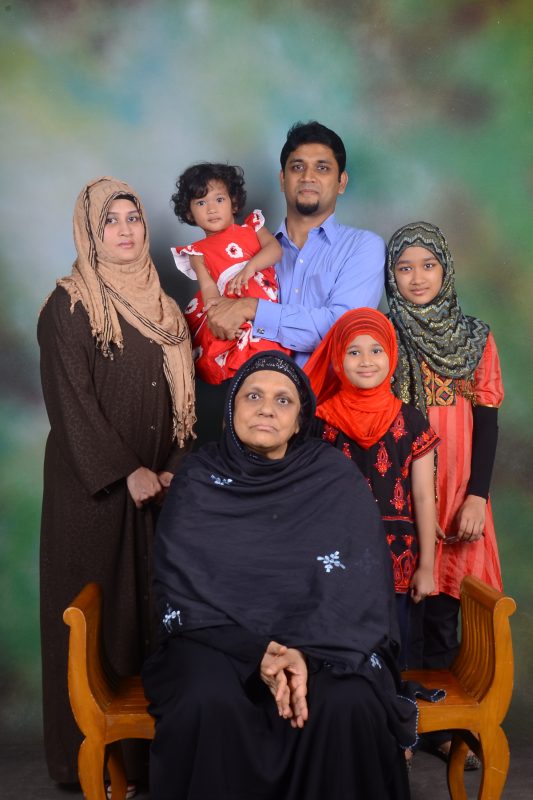
A: My name is Nowshad Amin. I was born in Sarafbhata, Rangunia, Chattogram, Bangladesh, but grew up in Chattogram city. My father, Dr. Nurul Amin Chowdhury, was a physician and involved in local politics, while my mother, Dilara Amin, focused on raising my siblings and me. I completed my secondary and higher secondary education at Comilla Cadet College, achieving top ranks. In 1990, I received the Japanese MONBUSHO scholarship and studied electrical engineering, earning a diploma, bachelor’s, master’s, and PhD in solar photovoltaic technology. I worked at Motorola Japan and completed a postdoctoral fellowship at the University of South Florida. Currently, I live in Bangi, Malaysia with my wife, three daughters, and my mother, and continue my research in solar energy.
Q: After long years of study in Japan, how has your experience been working in Malaysia?
A: Moving from Japan and the U.S. to Malaysia was initially challenging—salaries were lower and labs limited. However, over time, I have built world-class laboratories from scratch. Under my supervision, 15 PhD students and over 20 postgraduate researchers have completed their degrees. We have published internationally and received funding from both Malaysian and international agencies. This experience has strengthened my confidence and allowed me to inspire the next generation of researchers.
Q: Despite optimism about solar cells, their adoption seems limited. Why?
A: This is largely due to negative publicity and weak policies. Globally, solar panels have already replaced over 350 GW of conventional energy capacity in countries like China, Japan, Germany, Spain, the U.S., and India. In Bangladesh, weak import regulations have allowed low-quality panels, creating a negative perception among the public.
Q: Can you explain your research on grid-connected photovoltaic systems?
A: Since the first 6% efficient solar cell was developed at Bell Labs in 1946, research has improved efficiency above 45% for space applications. Grid-connected systems now allow mega-watt scale solar farms to feed electricity directly into national grids. In Bangladesh, a 3 MW solar farm was recently connected. Using agro-photovoltaic concepts, solar panels can be elevated to allow farming underneath, combining agriculture and electricity generation.
Q: What role can solar cells play in Bangladesh?
A: They can play a significant role, but strong policies, education, research, and commercial support are essential. Local researchers should focus on patents and publications to gain recognition. Rather than only focusing on low-cost panels, we should prioritize creating a confident, capable generation of scientists.
Q: How are you supporting young Bangladeshi researchers from abroad?
A: Around half of the students in my lab are Bangladeshi. I provide scholarships, master’s and PhD supervision, and postdoctoral training abroad. We maintain links with those returning to Bangladesh and facilitate workshops and seminars. Through international collaborations, new opportunities for Bangladeshi students emerge.
Q: Can you tell us about the Midori Bangla Foundation?
A: The foundation started after the 1991 cyclone when I donated my savings to rebuild a village school. Since then, we have provided scholarships, disaster relief, and support to underprivileged students in Bangladesh. International donors, particularly from Japan, have supported our work.
Q: What advice do you have for young scientists?
A: Science exists in all fields. Identify where you want to be in 10 or 20 years, plan accordingly, work diligently, and maintain patience. Respect others, avoid envy, and place trust in Allah. Focus on contributing to humanity rather than seeking praise. Your talents will eventually be recognized.
🔗 Profile Link:
Nowshad Amin – ResearchGate
📧 Contact:
[email protected]
[email protected]
Dr. Nowshad Amin’s work in solar photovoltaic research and renewable energy demonstrates a commitment to both scientific advancement and societal impact. His efforts inspire young Bangladeshi researchers, linking local talent with global opportunities. The biggani.org team congratulates Dr. Amin on his achievements and hopes his work continues to motivate innovation and research in Bangladesh and beyond.