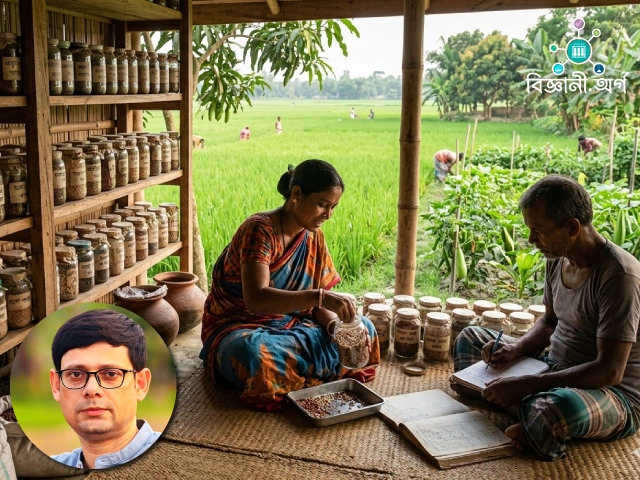
Due to the immense pressure of a growing population, agricultural land is decreasing by 1% each year. Forests and farmlands are being cleared for housing management. To ensure food security, diverse agricultural activities are being undertaken at both governmental and non-governmental levels. Considering the food crisis caused by overwhelming population pressure, increasing nutritional deficiencies and issues, and the overall socio-economic context of the country’s vast poor population, the primary goal is to prioritize the key agricultural sector to meet the food and nutritional needs of the poor, and to improve family well-being. This is achieved through maximizing the use of Extended Homestead and Homestead Area, ensuring optimal use of vacant homestead spaces through agricultural activities, meeting family nutrition needs, and earning additional income by selling surplus vegetables.
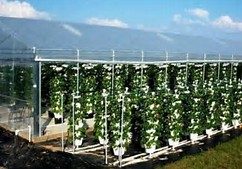
Alongside the core activities of the agricultural programs, using small-scale agricultural inputs on vacant homestead land, rooftops, courtyards, front and back yards, fences, shaded and moist areas, pond embankments, and ditches—ensuring not a single inch of land remains fallow at the participant/farmer’s household—promotes increased income through higher food production by maximizing the use of homestead spaces.
PRACTICE has experience implementing various types of agricultural activities. Considering the crucial importance of food security, PRACTICE will initiate the program as a pilot in one or two districts alongside its existing activities. However, if donor agencies or interested parties provide funding, PRACTICE is firmly committed to jointly implementing this program on a large scale.