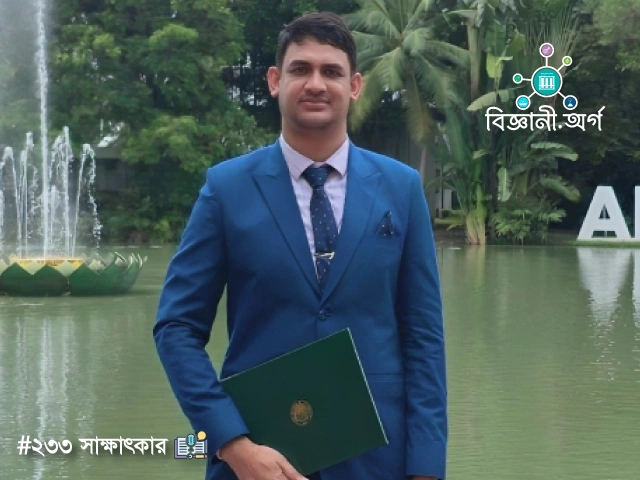
Mohammad Maidul Islam was born and raised in Khordojalai village, Mithapukur Upazila, Rangpur district, Bangladesh. After completing his primary education at the local school, he received his secondary and higher secondary education in Rangpur. For higher studies, he initially enrolled in Mechanical Engineering at SEGi University, Malaysia, but returned home for personal reasons. Later, he joined Green University of Bangladesh for a Bachelor’s in Electrical and Electronic Engineering, achieving the Vice Chancellor’s Gold Medal in his undergraduate program.
He is currently studying in the Master of Engineering (Sustainable Energy Transition) program at the Asian Institute of Technology (AIT) in Thailand. His main research focuses on smart grids and integrating renewable energy into power systems. Specifically, his goal is to enhance the sustainability and reliability of electricity systems by evaluating the roles of microgrids, battery energy storage systems, and the impacts of climate change.
He represents Bangladesh in an international collaborative research team and is working to make Bangladesh’s power system more environmentally friendly and resilient.
💬 Q&A Section:
Question: Please tell us a little about yourself.
Answer: I was born and brought up in Khordojalai village, Mithapukur Upazila, Rangpur. My primary education began there. I completed my secondary and higher secondary schooling in Rangpur. From the very beginning of my academic life, I was interested in engineering and technology.
For higher studies, I first enrolled at SEGi University, Malaysia. However, due to personal reasons, I could not complete my degree there and returned to Bangladesh. Afterwards, I enrolled in Electrical and Electronic Engineering at Green University of Bangladesh, where I was awarded the Vice Chancellor’s Gold Medal at the undergraduate level.
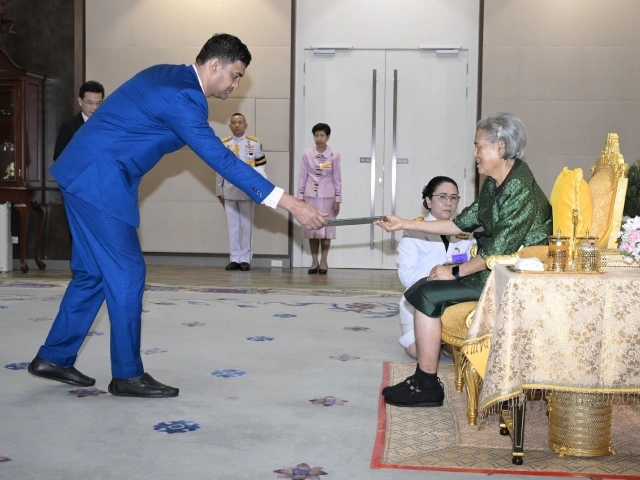
After completing my bachelor’s degree, I worked as a teaching and research assistant, and also gained experience as an electrical engineer at a private company. Later, I applied for international scholarships and higher study opportunities, and ultimately joined the master’s program at the Asian Institute of Technology in Thailand through the prestigious Her Majesty the Queen’s Scholarship.
Question: What is the subject of your research?
Answer: The main focus of my research is on smart grids and ways to integrate renewable energy sources into power systems. I investigate how technologies such as solar power, wind power, and battery storage can be used to make electricity systems more reliable, secure, and environmentally sustainable.
I specifically work on microgrids. Microgrids are small-scale electricity networks that can, if necessary, be separated from the national grid and independently supply electricity. Besides this, I study the impact of climate change to formulate sustainable development strategies for improving power infrastructure.
Question: How is your research currently benefiting, or will benefit, our society?
Answer: My research is helping to make the electricity system more reliable and secure. The use of microgrids and battery energy storage can ensure uninterrupted power supply in rural areas, coastal regions, or disaster-prone zones.
Additionally, my research contributes to improving power quality, reducing losses in industrial sectors, and enabling rapid recovery of the power system during natural disasters. As a result, it will contribute to the country’s social and economic development.
Question: What qualities do you think a scientist should have?
Answer: The most important quality for a scientist is curiosity. Patience and persistence are crucial in research. Critical thinking, honesty, and ethical conduct are also essential. A strong desire to learn, humility, and a commitment to using one’s research for the welfare of society are equally important.
Question: What is your message for young Bangladeshi students?
Answer: For those who want to work in science, my message is—never suppress your curiosity. Start with small questions. Even if opportunities are limited, eagerness to learn and perseverance can never be barriers. Mistakes and failures are natural. Strengthen your foundations in English, mathematics, and basic sciences. Hold on to your dreams of contributing to your country and learn to practice patience.
Sure! Using the information you provided, I have written a professional and easy-to-read profile. Key sections have been bolded and an icon has been added before each link.
Contact Information
- 📧 Email: [email protected]
- 🔗 Google Scholar Profile: Google Scholar
Dr. Mohammad Maidul Islam’s research is contributing to making Bangladesh’s electricity system more sustainable, secure, and environmentally friendly. His work serves as an inspiration for the country’s young scientists. The Biggani.org team wishes him success in his continued efforts and dedication. We hope that his research will play an important role in advancing Bangladesh’s energy systems and delivering technology-driven solutions in the future.
Researching Sustainable Electricity in Bangladesh: An Interview with Mohammad Maidul Islam
Mohammad Maidul Islam was born and raised in Khordojalai, a small village in Mithapukur Upazila, Rangpur District, Bangladesh. He completed his primary education in his village and later finished secondary and higher secondary education in Rangpur. From a young age, he showed interest in engineering and technology.
For higher studies, he initially enrolled in Mechanical Engineering at SEGi University, Malaysia, but returned to Bangladesh due to personal reasons. He then joined Green University of Bangladesh to study Electrical and Electronic Engineering, where he received the Vice-Chancellor’s Gold Medal for academic excellence.
Currently, he is pursuing a Master of Engineering in Sustainable Energy Transition at the Asian Institute of Technology (AIT), Pathum Thani, Thailand, under the fully-funded Her Majesty the Queen’s Scholarship. His research focuses on smart grids and integrating renewable energy into electricity systems. He works specifically on microgrids, battery energy storage, and assessing climate change impacts to enhance the resilience and reliability of power systems.
Maidul represents Bangladesh in an international collaborative research team and contributes to making power systems more environmentally friendly, resilient, and technologically advanced.
💬 Q&A Section:
Question: Can you tell us about yourself?
Answer: I was born and raised in Khordojalai village in Mithapukur Upazila, Rangpur. My primary education took place in my village, and I completed secondary and higher secondary education in Rangpur. I have been interested in engineering and technology since childhood.
For higher studies, I initially enrolled at SEGi University, Malaysia, in Mechanical Engineering. Due to personal reasons, I could not complete my degree there and returned to Bangladesh. Later, I joined Green University of Bangladesh in Electrical and Electronic Engineering, where I earned the Vice-Chancellor’s Gold Medal.
After graduation, I worked as a teaching and research assistant and gained professional experience as an electrical engineer in a private company. I then applied for various international scholarships and opportunities and eventually received the Her Majesty the Queen’s Scholarship to pursue my Master’s at AIT in Thailand.
Question: What is your research about?
Answer: My research focuses on smart grids and integrating renewable energy into electricity systems. I explore how solar power, wind power, and battery energy storage can make electricity supply more reliable, safe, and environmentally friendly.
I particularly work on microgrids, which are small-scale power systems that can operate independently from the main grid when needed. I also study the impacts of climate change on electricity infrastructure to improve resilience in Bangladesh’s urban and coastal regions.
Question: How does your research benefit society?
Answer: My research helps make electricity systems more reliable and secure. Using microgrids and battery energy storage, continuous electricity supply can be ensured in rural, coastal, and disaster-prone areas.
It also improves power quality, reduces industrial losses, and helps restore electricity systems quickly during natural disasters. Overall, it contributes to Bangladesh’s social and economic development.
Question: What qualities do you think a scientist should have?
Answer: Curiosity is the most important quality of a scientist. Patience and perseverance are necessary, as research often involves repeated failures. A scientist should think critically, verify information, maintain honesty and integrity, be eager to learn, and use their work for societal benefit.
Question: What message do you have for young Bangladeshi students who want to pursue science?
Answer: My message is—never suppress your curiosity. Start with small questions. Opportunities may be limited at first, but persistence and eagerness to learn can overcome any barrier. Mistakes and failures are natural and provide learning opportunities. Strengthen your foundation in English, mathematics, and basic sciences, develop the habit of reading research, and keep your dream of contributing to your country. Practice patience, resilience, and kindness. World-class scientists can emerge from Bangladesh.
Contact Information
- 📧 Email: [email protected]
- 🔗 Google Scholar Profile: Google Scholar
Dr. Mohammad Maidul Islam’s research contributes to making Bangladesh’s power systems more sustainable, reliable, and environmentally friendly. His work serves as a source of inspiration for young Bangladeshi scientists. The Biggani.org team wishes him continued success in his research journey and hopes his work will play a vital role in advancing sustainable energy solutions in the country.