Chapter – 4 (The Meditation Chapter)
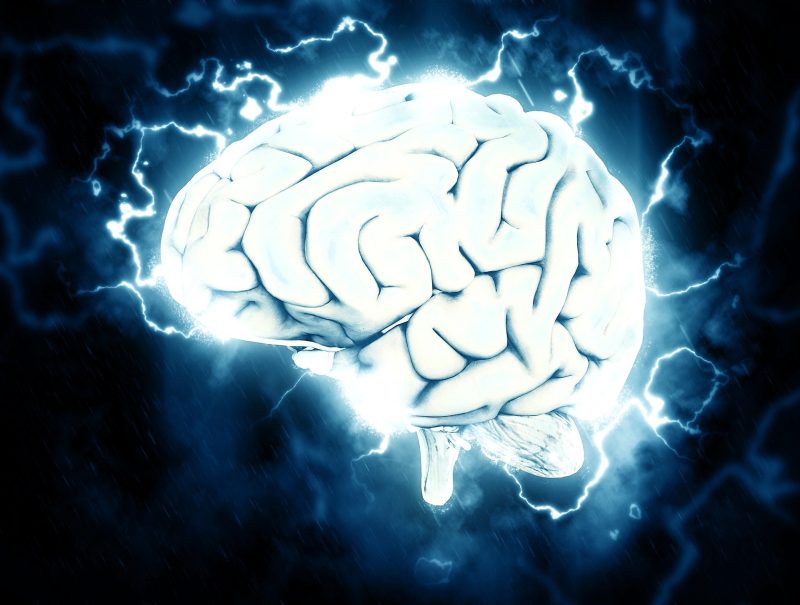
Meditative State: In meditative states, the brain’s frontal and middle regions are dominated by cortical theta waves (lower frequency theta waves from one or more lobes of the cerebral cortex), while the posterior regions are dominated by alpha waves. Both are low-frequency, which aids in relaxation.
When a neuron in the brain fires, it becomes more likely to fire again. Conversely, a group of neurons fired in a certain rhythm is less likely to fire in a different rhythm immediately. Because of this, and because meditation fosters low-frequency waves in broad areas of the brain, the brain doesn’t easily slip into high-frequency patterns in stressful moments, making us less anxious as a result.
Those who have long practiced spiritual life and meditation can reach such deep meditative states that only gamma waves (25–40 Hz) prevail in many parts of their brains. In this state, various ideas, emotions, or sensations can arise and fade away spontaneously, without effort—this is the result of neurons synchronously firing that are rarely used in daily life. In daily life, many brain cells go unused, and as a result, neurotransmitters are released less readily at their synapses; hence, even in critical times, we fail to use the full potential of our brains. Through lifelong meditation and spiritual practices, more and more neurons come into use, leading to noticeable improvements in memory and thinking. It’s said that Swami Vivekananda could read rapidly and never forgot what he read. From a neurobiological perspective, that’s not impossible at all. Many tales of saints entering deep meditation and passing away can also be explained neurobiologically: during deep meditation, gamma waves dominate the thalamus and visual cortex; if the thalamus is harmed by prolonged high-frequency gamma waves, these waves cease and the meditating person’s brain may enter irreversible coma.